Categoría: Bookkeeping

  • Accounting Tips for Startups: Setting Up Financial Systems

    who provides easy accounting for startups?

    The best accounting software can provide a foundation for managing your company’s finances efficiently and effectively. With automation features, user-friendly interfaces, and robust reporting capabilities, the right software can save you valuable time and eliminate costly errors. In this article, we’ll delve deep into the best accounting software options favored by top startups, describe their features, and help you find the perfect fit for your growing business. Similar to a bill, a receipt is a written or digital document that serves as proof of a financial transaction.

    Move Your Data and Double-Check Everything

    who provides easy accounting for startups?

    QuickBooks, for instance, makes it easy to generate the reports needed for filings, freeing you to focus on running the business—not gathering documents. Includes invoicing, expense tracking, and financial reports with limited customization. Most reputable services prioritize security, using encryption and compliance with data privacy regulations to ensure the safety of your financial data. Merritt Bookkeeping is known for its simplicity and straightforward pricing, which appeals to small startups looking for basic bookkeeping at an affordable rate. If you’re looking for a light-weight business banking solution still tailored to the needs of startup founders, Mercury Bank is a popular choice. Monthly accounting services cost between $500 to several thousand dollars based on complexity.

    who provides easy accounting for startups?

    Regularly Review Financial Statements

    Decimal costs between $12,000-$27,000 yearly—nowhere near the $46,000 average salary https://dimensionzen.com/streamline-your-finances-with-expert-accounting-services-for-startups/ for an internal bookkeeper.

    Specialized Support for Venture-Backed Companies

    These connections not only reduce the need to do the same task in multiple places but also minimize errors and provide a more complete, real-time picture of your business finances. If you’re looking to set up or enhance these integrations, getting expert accounting software implementation and support can make the entire process much simpler and more effective. Sage 50cloud, formerly known as Peachtree, is a well-established name in accounting software, recognized for its powerful features and robust capabilities.

    Wave is a free accounting software solution that offers bookkeeping features and optional payroll and payment processing add-ons. Accounting and bookkeeping can be incredibly challenging for young businesses, which is why many startups turn to online accounting services. A startup in its own right, Mercury Bank launched in 2019 and is hyper-focused on product design and user experience. The online-only banking option offers an easy-to-use platform, quick sign-up process and a suite of free or low-cost services for its customers. Bookkeeping and accounting software is the foundation of a startup’s finance stack.

    • Different vendors have different payment terms, so you should use this to your advantage.
    • They become trusted advisors who direct complex financial decisions, optimize tax strategies, and ready your business for funding opportunities.
    • Tukel Accounting serves as a boutique firm that provides customized financial guidance to US-based startups with non-US founders.
    • The price structure combines employee salary with government-mandated costs, management fee, and hardware fee based on standard setups.
    • It’s a simple, organized list that helps you track where your money is coming from and where it’s going.
    • Tracking Key Performance Indicators (KPIs) such as gross profit margin, customer acquisition cost, and customer lifetime value can help you evaluate your financial health and identify areas for improvement.
    • Your first step is to open a dedicated bank account for your business.

    Features

    QuickBooks Online, for example, offers robust APIs and bank feeds that automate a huge portion of data entry and reconciliation. Automation becomes critical when your team expands and your time becomes more valuable. You’ll need audit-friendly reports, cash flow statements, and collaboration with your finance team. In this guide, we’ll break down the top accounting tools for startups, compare free and paid options, and help you find the best fit based on your business stage. Doola provides startups with a versatile bookkeeping solution tailored Streamline Your Finances with Expert Accounting Services For Startups to cover every stage of business growth. They cater to both cash and accrual-based accounting and offer a dedicated financial team to support your business’s growth.

    • Beyond simple accounting, they offer customized support with dedicated experts who know your business’s specific needs.
    • However, with the current economic slowdown, some startups that may experience slower than projected growth are choosing to “re-outsource” their financials.
    • QuickBooks Online is one of the most popular accounting solutions globally, especially among small businesses and startups.
    • Startup accounting provides valuable insight into your startup’s cash flow and also allows you to make financial projections.
    • Rooled is a trusted BPO partner of NetSuite, offering expert guidance and support to startups seeking the best accounting software for their business.
    • Setting it up correctly is the core element of making sure your finances stay in order, and you can easily spot any red flags when it comes time to analyze your business performance.

    who provides easy accounting for startups?

    You’ll typically choose between a sole proprietorship, a partnership, a limited liability company (LLC), or a corporation (like an S-Corp or C-Corp). For instance, an LLC or a corporation creates a legal wall between your personal assets and your business debts, which is a huge relief for many entrepreneurs. This separation is crucial for protecting your personal finances if the business faces legal challenges or financial trouble.

    who provides easy accounting for startups?

    Essential Accounting Practices for Startups

    who provides easy accounting for startups?

    Beyond just completing your regular tax returns, you will want to look at available tax credits, like the research & development tax credit. You need a startup accounting expert to support you through processes like this. Regular reviews help startups stay on top of cash flow, expenses, and profitability. Bookkeepers record financial transactions, including sales, expenses, and payroll, daily.

    FreshBooks can help by keeping your accounting systems organized, allowing you and your tax professional to find all the information when you need to file. Accounting for startups involves keeping accurate records of financial transactions and examining your finances to identify opportunities for growth and improvement. A startup accounting plan may cost between $150 and $2,000+ per month, depending on the company’s proposals and needs, and whether CFO assistance is offered.


  • Inventory Cost Reduction: 15 Strategies To Cut Costs

    Inventory reduction is vital to increasing retail profits. A stock control software that enables suppliers and operators to collaborate. Applying rotation methods like FIFO or LIFO helps in minimizing stock losses, while monitoring trends ensures better forecasting and planning. Lock storage areas, limit system access, and ensure only trained personnel handle sensitive data. Staff accountability also helps in inventory loss prevention. Install security cameras, use access-controlled storage rooms, and monitor high-value items more closely.

    In short, having “too much” inventory ties up cash flow preventing retailers from filling shelves with more popular products and creating a necessity for markdowns. So, what does this have to do with inventory reduction? Finally, enhancing security measures supports inventory loss prevention and combats shrinkage. These steps are crucial for preventing inventory shrinkage. Theft and misplacement account for a large portion of inventory shrinkage.

    Consistent inventory management practices help surface discrepancies before they turn into major https://upperroomfireprayer.ca/how-to-prepare-financial-statements-using-the/ losses. The average warehouse experiences inventory shrinkage of about 0.2 % — and even this seemingly small loss can translate into significant financial impact when scaled across large operations. Poor forecasting accuracy can disrupt supply chain operations and hinder business growth. Overstocking ties up capital and storage space, while understocking results in lost sales opportunities and dissatisfied customers. Lost inventory isn’t just shrink—it drives hidden costs.

    While tempting, these deals can end up costing you more in markdowns. Vendors often offer bulk deals to get you to place larger orders or assort new products. Having a solid demand forecast will help in this category as well.

    Benefits of Inventory Reduction for Business Profitability

    Since you’re no longer wasting money on procuring and storing unnecessary inventory, your revenue would outweigh your spending. That means slow-selling SKUs are reduced while top-selling SKUs are increased. How you manage your inventory is a key factor that determines the efficiency, accuracy, and overall performance of your ecommerce operations.

    A stock control Blog by​ STO

    The correct inventory management software for your business can boost efficiency by automating tasks, providing real-time data, and optimizing stock levels. Shedding excess stock is a critical component of efficient inventory management because it can streamline your operations and reduce inventory costs. reduce inventory loss Effective inventory management is critical for maintaining optimal stock levels and reducing costs.

    • Real-time inventory tracking is the way forward.
    • For example, you can forecast demand more accurately with inventory management software to make proactive decisions about your buying and stocking strategies.
    • Gift boxes are one example, as are ready-to-order sets and pre-assembled products.
    • This improves operational efficiency, reduces labor costs, and enables employees to focus on value-added tasks rather than mundane data entry activities.
    • By accurately capturing data on inbound and outbound shipments, RFID helps prevent loss, theft, and damage to inventory assets.
    • Automating can save you a lot of time, so you can be more focused on decision-making.

    Customer Stories

    In accounting, retailers must establish the cost basis of all inventory. Hiring and training to reduce retail shrinkage gives you a headstart in the fight against losses. Fighting shrinkage means securing buy-in from everyone in the business—from the owner down to rank-and-file store workers.

    • But giving customers the feeling that they “have a lot to choose from” requires carrying 50 more styles that rarely sell.
    • Full control over supply chain operations with valuable actions between different apps.
    • Setting up reorder alerts is essential in order to avoid running out of your popular items.
    • The idea is to target different service levels according to product classification.
    • All inventory values should be calculated at cost of goods sold.
    • As a small business owner, you’re no stranger to the challenges of managing inventory.

    The advantages of inventory reduction

    The longer the lead time is, the longer will be the replenishment cycles and so the safety stocks and quantities to order. It is the time between we need stock and the moment we receive it. Any hazard over one of those factors directly impacts the lead time, and so the risk of shortage or overstock.

    It can also improve the inventory performance and profitability, which can significantly enhance the competitiveness and sustainability of your business. They can reduce the order cycle time, which is the time between receiving and fulfilling an order. Optimizing order management and reorder points can be extremely helpful to your business. Order management is the process of managing customer orders, from the moment they are placed until they are delivered.

    Retailers often launch a product at a higher price and gradually lower the price until sales and profit reach an acceptable balance. You can shape demand and optimize profitability by deciding, in advance, each product’s initial, regular, promotional, and closeout pricing. This type of system automatically suggests opportunities for the most profitable inter-store transfers, ahead of time. More often than not, these reactions are triggered by an unhappy customer standing in front of an empty shelf. Unfortunately, inter-store transfers typically are initiated by store managers reacting to inventory issues after they happen.

    With features like real-time tracking, automated alerts, and detailed analytics, businesses can avoid overstocking, reduce holding costs, and maintain optimal inventory levels. For small businesses, optimizing inventory management is key to reducing costs and keeping operations lean. By analyzing historical sales data, market trends, and using predictive analytics, businesses can better predict customer demand and adjust inventory levels accordingly.

    Effective demand forecasting minimizes excess inventory and boosts customer satisfaction by ensuring products are in stock when needed. Accurate forecasting aligns inventory levels with actual customer demand, reducing the chance of overstock or stockouts. By closely tracking inventory levels and aligning purchases with customer demand, small businesses https://www.stylescopebd.com/2021/12/23/budgeted-income-statement-managerial-accounting/ can improve efficiency and cash flow.

    Kitting and bundling involves grouping items together and selling them as a single item. The company is going through a massive internal restructuring, and to make space for new products in the near future, they’re selling kitted and bundled products in hyperdrive. Plus, it’s perishable inventory. They’re shutting down operations, but they still have inventory to move.

    A slow and inefficient supply chain can be a major bottleneck for your business, leading to stock shortages, delayed shipments, and frustrated customers. Technology is the key to warehouse efficiency, and Warehouse 15 by Cleverence is a powerful inventory management tool that transforms how frontline workers handle stock. Streamlines order fulfillment, automates stock tracking, and ensures efficient delivery management, helping businesses optimize logistics and improve customer satisfaction. Identifying and learning how to reduce shrinkage is a pivotal process in learning effective inventory management. Additionally, use past sales data to guide your purchasing decisions, ensuring you procure products that are likely to sell, reducing the risk of stock becoming obsolete. According to industry reports, inventory shrinkage can cost businesses billions of dollars annually.

  • Purchase Order vs Invoice: Key Differences, Importance & Guide

    what is a purchase order vs invoice

    Finance uses them to manage working capital, prioritize payments, and avoid late fees or supplier escalations. Clear descriptions of the products or services being purchased, including model numbers or SKUs, reduce the chance of wrong items being delivered or billed. Download HighRadius’ 3-Way Matching Guide to learn how top teams automate approvals and avoid payment delays. This is often when a buyer orders goods or services from multiple suppliers. The invoice will list all the purchase orders that were fulfilled and the total amount due for purchase order vs invoice each purchase order.

    • PO, or the purchase order, is a financial document issued by the buyer or a purchasing department to the seller or supplier.
    • An invoice number, usually generated automatically based on the date created, allows the accounting department to review outstanding invoices.
    • While POs and invoices are both essential to procurement, they serve distinct roles.
    • The template highlights the essential product information, making it easy for sellers to understand your needs.

    Cash Application Management

    what is a purchase order vs invoice

    Using purchase orders brings a ton of benefits to businesses, big or small. They streamline the buying process, Bookkeeper360 Review provide a clear record of transactions, and help manage inventory. One of the main reasons businesses use purchase orders is to improve their procurement process.

    what is a purchase order vs invoice

    W-8ECI Explained: Complete Guide and Instructions for Finance Teams

    Once a PO has been signed by both parties, it is a legally binding contract for the works to commence at the agreed price. The practical impact of understanding purchase order vs invoices differences shows up in your daily operations. The purchase order establishes a legal agreement between your business and the supplier. It protects both parties by clearly stating what you want to buy, how much you’ll pay, and when you need it delivered. In logistics, that’s how shipments get delayed and relationships go south fast. Let’s break down exactly what each document does so you can avoid these costly mistakes.

    Only POs are legally binding

    • The vendor uses this information to prepare the order and confirm availability.
    • A purchase order (PO) is a formal document that a buyer sends to a seller to request goods or services.
    • In larger companies, the purchasing department typically creates and manages purchase orders.
    • This dual visibility makes it easier to reconcile budgets, forecast cash flow, and prevent duplicate or unauthorized payments.
    • For instance, if the accounting department uses billing and invoicing software, they might automatically generate invoices before purchase orders are fulfilled.

    This person is responsible for sending the purchase order request to the purchasing department to be processed. The system takes care of the mismatches in procurement documents early on with the discrepancy tracking. In practice, this means that the user will be promptly notified in case prices, items, or quantities differ in purchase order and an invoice, saving time for the resolution of disputes. Using both purchase orders and invoices adds transparency to your procurement process flow. POs help you track and manage inventory levels, budget accurately, and plan for future needs.

    what is a purchase order vs invoice

    What Is The Purchase Order Approval Process

    • Some companies replace invoices with payment receipts if customers are enrolled in automatic billing.
    • Using both purchase orders and invoices ensures financial accuracy and accountability.
    • The purchase order (PO) is issued by the buyer before the supplier delivers goods or services.
    • She is a former CFO for fast-growing tech companies with Deloitte audit experience.
    • Yes, a purchase order can be cancelled, but it all relies on the parameters that the buyer and the seller have agreed upon.
    • They serve as strong evidence of the business transactions that occur between the buyer and seller.

    They might also include additional charges from late or missed payment requests. One reason invoices are usually made after POs is so they can include the latest information listed in the purchase order. For instance, if the accounting department uses billing and invoicing software, https://www.bookstime.com/ they might automatically generate invoices before purchase orders are fulfilled. However, if a customer requests a late change order, the change in price might not be included on that initial invoice.

    • You can add more specific details to your purchase order using interactive features.
    • They help enforce company purchasing policies thanks to embedded approvals when they are factored into your PO process.
    • From approvals to deliveries and payments, everything is tracked in one centralized dashboard.
    • They are essential in optimising spending and offer better visibility into the purchasing process.
    • It’s crucial for businesses to understand these differences because using one instead of another can lead to confusion in accounting records and potentially legal issues down the line.

    Request Payment: Ensuring Proper Payment with Both the Buyer and Seller

    An invoice is a formal document issued by a seller after goods have been delivered or services rendered. It serves as a payment request, listing what was provided, how much is owed, and when the payment is due. For the buyer, it acts as the trigger for recording the expense and starting the accounts payable workflow.

    what is a purchase order vs invoice

    what is a purchase order vs invoice

    They often stem from unclear delegation, and queues form when there are multiple layers of approval or a lack of automation in the approval process. In addition to complying with policies the benefits of purchase orders include enhanced risk management, productivity and cost control. For B2B companies with strong customers but slow-paying terms, invoice factoring converts receivables into predictable cash flow. Dedicated to bringing readers the latest trends, insights, and best practices in procurement and supply chain management. Stay tuned for up-to-date content designed to simplify procurement and keep you ahead of the curve. Using both gives you a full financial and legal trail, from request to delivery to payment.

  • Balance Sheet vs Income Statement: What’s The Difference?

    At the end of each reporting period (monthly/quarterly), the net income (or loss) from the income statement is added to/subtracted from the retained earnings account on the balance sheet. While each statement provides valuable insights on its own, analyzing them together offers a more comprehensive view of a company’s overall financial health and performance. A balance sheet shows a company’s assets on one side and its liabilities and equity on the other. It drills down to give an exact breakdown of the company’s revenues, expenses, and net income (or loss) during the specified time frame.

    Use Accounting Software to Your Advantage

    Learn what they are, who uses them, and how to prepare an income statement. How to prepare an income statement in 7 steps with examples Learn how to calculate them, and where to find them on an income statement. You’ll need these figures to create other statements, including your balance sheet.

    It shows your company’s revenue, expenses, and net income. They detail your organization’s revenues, expenses, and net income over a specific period. Represents a snapshot of http://rawal.pk/advanced-peo-solutions-company-information-data/ the company’s financial position on a specific date

    Operating income, also known as operating profit, is a key financial metric representing the profit a company generates from its core business operations. Operating expenses on an income statement represent the costs incurred by a company in its day-to-day operations. It represents a company’s profit from its core business activities before deducting other expenses. Gross profit on an income statement is calculated by subtracting the cost of goods sold from total revenue. Gross revenue is a vital indicator of a company’s ability to generate income and is often used to calculate critical financial ratios.

    Common Mistakes While Reading Balance Sheets

    • The statement of shareholder equity shows what profits or losses shareholders would have if the company liquidated today.
    • A balance sheet is commonly referred to as a “snapshot in time” where you can see what a business owns and owes at a single point in time.
    • These statements are not interchangeable but are essential tools for assessing different aspects of an organization’s financial health and performance.
    • Income statements report operating results, such as sales and expenses, and so allow investors to evaluate the company’s performance and consider how future cash flows might look.
    • The income statement typically covers a defined timeframe, such as a quarter or a year, allowing stakeholders to assess the company’s financial performance.

    The balance sheet and income statements complement one another in painting a clear picture of a company’s financial position and prospects, so they have similarities. The balance sheet is the cornerstone of a company’s financial statements, providing a snapshot of its financial position at a certain point in time. Where do you find all the information needed to prepare financial statements like balance sheets, income statements, and the cash flow statement? A balance sheet is a report that shows a company’s financial health at a specific point in time.

    • Monitoring and controlling operating expenses is crucial for maintaining profitability and financial health.
    • With cash accounting, revenues and expenses are only counted when cash has been exchanged.
    • By combining insights from both, analysts can construct a comprehensive picture of a company’s financial performance and position.
    • The income statement focuses on a company’s profitability during a defined period.
    • Proper management and valuation of long-term assets are essential for accurately reflecting the company’s financial health.

    The Connection: Net Income Flows to Retained Earnings

    An income statement shows information over a period of time. An income statement includes revenue, expenses, gains and losses. Some key differences between a balance sheet and an income statement are what’s included, time frame, purpose and use. At the end of an income statement is the net income or loss for the specified accounting period, also known as the bottom line. The income statement includes revenue, expenses, gains and losses, and the resulting net income or loss.

    Each stakeholder group makes informed decisions based on its specific interests and objectives. With this information, one can determine whether the company has sufficient resources to support its operations and growth. Discover a proven top-down approach curated by an FP&A https://mnindustries.co.za/2023/07/06/gross-profit-margin-ratio-formula-percentage/ expert to model your revenue using key SaaS metrics. If you want to further develop your financial knowledge to become a stronger finance job candidate, check out our Complete Finance & Valuation Course and more using the get started button below Together, they offer a more complete view for informed financial decisions and analysis.

    Accounting Tricks

    We collaborate with business-to-business vendors, connecting them with potential buyers. Our mission is to equip business owners with the knowledge and confidence to make informed decisions. Business News Daily provides resources, advice and product reviews to drive business growth.

    Ignoring Cash Flow

    These two statements do not exist in isolation. It is like a video recording of the business’s financial activity throughout the year, capturing every sale and every cost as they happened. What is the financial position of the business at this particular date? Think of it like a photograph of the business’s finances at one specific point. If this number is positive, the business made a profit. This tells you how much profit the business made before its general running costs are considered.

    Neither is more important—both are essential for complete financial analysis. Neither statement alone provides a complete picture. Avoid financial disasters by spotting warning signs before they become crises For more comprehensive financial education, explore our complete guide to smart investing.

    This is the widely accepted balance sheet format used across industries and geographies. The balance sheet structure follows a logical format that ensures clarity. Equity represents the owner’s stake in the business. Understanding liabilities helps assess leverage and repayment risk. Liabilities represent obligations owned by the business. Assets represent every factor of the business that holds economic value.

    Additionally, evaluating accounts payable can improve https://site1.dmhosting.com.br/what-is-unbilled-accounts-receivable/ relationships with vendors, ensuring timely payments for goods and services that support operational sustainability. This can translate into specific actions, such as adjusting pricing models or optimizing supply chain operations for cost savings. This revenue stream is driven largely by sales of core products and services, indicating a stable demand in its market segment. Such analysis provides stakeholders with a clear understanding of financial stability and the capacity for strategic investments. The company seems well-positioned for growth and is in a favorable position to secure additional financing if necessary.

    Accounts payable are listed under current income vs balance sheet liabilities. These consist of loans, debt and accounts payable — what your company owes. Property (which includes intellectual property) is listed under non-current assets. Assets are usually listed in order of their liquidity — how quickly they can be converted to cash. Keep in mind these include intangible assets like patents or intellectual property. In simpler terms, what your company owns.

    The importance of the balance sheet is exemplified in the case of Lehman Brothers. Balance sheets are typically created at the end of a reporting period, like a fiscal quarter or year. According to Fortune Business Insights, the projected growth of the global financial analytics market is significant. For example, the cash vs accrual method described above.

  • 3 Ways to Calculate Interest Expense

    As a business owner, you need to understand the concept of interest expense because it directly impacts your company’s financial health. During periods of high inflation, interest expenses tend to increase as companies incur debt with higher interest rates. Interest expense is usually a line item on a company’s income statement. Interest expense appears on the income statement and represents the total interest cost owed on loans. It not only affects a company’s bottom line but also provides insight into its debt management and financial stability.

    • Let us take an example where the interest expense is to be calculated on a sum of $1,000 for one year with an interest rate of 12% on the compounding method basis.
    • Generally, banks compound the interest at fixed periods, for example, monthly or quarterly.
    • Here, interest expense is categorized under operating activities, just like how your breathing rate would be categorized under ‘vital signs’ in a medical report.
    • Interest expense is an account on a business’s income statement that shows the total amount of interest owing on a loan.
    • On the other hand, your company will pay lower interest expenses if there is low inflation.
    • Monitoring and managing these costs can help companies navigate economic fluctuations and make informed financial decisions.
    • Finance and accounting experts with real-world experience write every articles.

    While companies must effectively manage long-term liabilities to optimize interest payments and support profitable growth, managing short-term liabilities is also critical to success. As mentioned above, there are ways for businesses to reduce interest expense. Companies with debts outstanding likely won’t be able to get rid of interest expense altogether.

    In Walmart’s income statement, the company nets its interest income– interest it has earned from investors– against its interest expense– amounts it has paid to lenders. Operating expenses include costs for maintenance, utilities, rent, employee payroll, etc, that have to do with the regular day-to-day activities of a business. Since it’s a liability, interest payable accounts are recorded on the balance sheet and are due by the end of the accounting year or operating cycle. Long-term debts, on the other hand, such as loans for mortgage or promissory notes, are paid off for periods longer than a year.

    Documenting expenses poorly

    • Interest expenses are the non-operating expenses which not normally reported in the balance sheet of the entity’s financial statements.
    • Think of your financial statements as a snapshot of your business’s financial health.
    • (It contrasts with cash-based accounting, where you only record transactions when cash changes hands.)
    • The interest coverage ratio is a debt and profitability ratio that is used to work out whether your company can easily pay interest on its debt.
    • A construction company takes out a 12-month bank loan of $60,000, with a rate of 8%.
    • Look for accounting software with user-friendly interfaces that simplify the input and retrieval of financial data.
    • Annual percentage rate (APR) is the most commonly reported interest rate.

    Interest expense will be on the higher side during periods of rampant inflation since most companies will have incurred debt that carries a higher interest rate. At such times, investors and analysts pay particularly close attention to solvency ratios such as debt to equity and interest coverage. For example, a small social media marketing company would need to pay its employees and pay for ads as part of its business. Both these line items can be found on the balance sheet, which can be generated from your accounting software. If the tax rate is 30%, the owner would normally need to pay $30,000 in taxes.

    It is important to understand that this interest expense equation does not show the interest that has already been paid. It is recorded in the profit and loss statement as a https://daytonohiodaily.com/dappr-help-center/ non-operating expense. If interest were compounded more frequently, like monthly or quarterly, the formula would need to take this into account. Please note, however, that the example above illustrates annual compounding. Therefore, the business will have an interest expense of $3,000 each year for 3 years. For calculating compound interest, you’d typically need the specifics of the compounding period (e.g., annually, semi-annually, quarterly, monthly, etc.).

    How can I manage high interest expenses for my business?

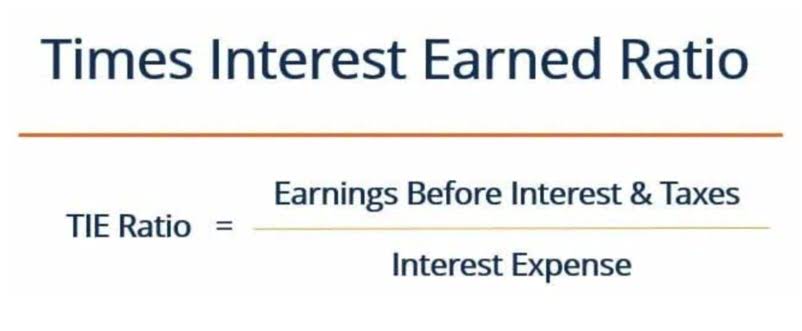
    Additionally, the interest coverage ratio is the ratio of your company’s earnings before interest or taxes (EBIT) to its interest expense. The interest coverage ratio is a debt and profitability ratio that is used to work out whether your company can easily pay interest on its debt. In these periods, https://storetu.com/should-you-hire-a-forensic-accountant/ it is recommended that you seek professional advice to examine your financial situation to determine whether your company can remain solvent.

    At Federal Reserve board meetings, consumers and businesses from all over the world anxiously await to hear the direction that the Fed will take with interest rates. Homeowners with mortgages may also deduct interest, lowering their overall tax burden, although personal credit card interest is not deductible. Upgrading to a paid membership gives you access to our extensive collection of plug-and-play Templates designed to power your performance—as well as CFI’s full course catalog and accredited Certification Programs. A smart financial analyst will alternatively use the modified internal rate of return (MIRR) to arrive at a more accurate measure.

    Interest expense impacts profitability and cash flow

    This means the net present value of all these cash flows (including the negative outflow) is zero and that only the 10% rate of return is earned. If an investor paid $463,846 (which is the negative cash flow shown in cell C178) for a series of positive cash flows as shown in cells D178 to J178, the IRR they would receive is 10%. The investment with the highest internal rate of return is usually preferred. The internal rate of return is one method that allows them to compare and rank projects based on their projected yield.

    The rules vary significantly based on the purpose of the debt, and the Internal Revenue Service (IRS) categorizes interest into several types, each with its own set of limitations. The interest expense is typically recorded monthly as a journal entry, debiting the Interest Expense account and crediting the Interest Payable or Cash account. Interest expense holds a specific location on the Income Statement, classified as a non-operating expense appearing below Operating Income. In a capital lease arrangement, a portion of the payment is treated as interest expense to reflect the financing nature of the transaction. The two main sources of this expense are traditional debt financing and the imputed interest contained within capital leases.

    How to calculate interest expense on income statement

    Simple interest is a term for interest expense that is calculated only on the principal, or originating amount, of a loan. Net income is the “bottom line” resulting figure after subtracting all expenses. It shows the profit the company derives from its core business activities.

    ​In this formula, EBIT stands for Earnings Before Interest and Taxes. https://my.concordreview.com/compare-us-accounting-services-quotes-8/ Conversely, if interest is paid in advance, it is listed as a prepaid item under current assets. It’s important to differentiate between interest expense and interest payable. For instance, firms with loans on vehicles, equipment, or property will experience the greatest strain.

    Interest expense: Definition, calculation and examples

    Even if the team doesn’t make any strategic changes, it’s still important to have a clear understanding of how much the company still owes on outstanding debt to inform future interest expense formula purchasing decisions. Businesses must effectively manage interest expenses to ensure accurate financial reporting and enhance profitability. Thus, any time a company looks like improve profitability, the team should not overlook the impact of interest expense and find ways to optimize this cost where possible. Just like any other type of expense, interest expense can weigh on a company’s profitability, particularly if it has a large amount of outstanding debt.

    Interest Expense Formula Explained

    Also, by keeping track of interest expenses, one can strategize to minimize the cost of debt and optimize the utilization of borrowed funds. The amount you pay in interest enables you to make strategic decisions in relation to different aspects of your company, for example, labor costs. The interest that accumulates on your long-term debt is regarded as a business expense for tax and financial record purposes. If your company needs cash, it is likely that it will get this money by securing long-term debt, for example a bank loan. Where your company’s interest has been accrued but it has not been paid, this entry would be listed in the current liabilities part of your balance sheet. An interest expense is a cost a company incurs as a result of borrowing money.

    This means that the interest paid on loans, lines of credit, or bonds used to finance operations, purchase equipment, or fund expansion can typically be deducted from taxable income, reducing the overall tax liability. Many businesses can deduct interest expenses on loans used for operations, reducing taxable income. For instance, someone carrying a $15,000 credit card balance at 22% annual percentage rate (APR) will pay $3,300 annually in interest alone, making it harder to pay off the principal if rates rise. Borrowing money in most cases is not free, and being able to manage the added cost of repaying debt and interest must be managed properly to avoid financial strain. It can have slightly different meanings depending on the context, but in corporate finance, interest expense is generally the primary financing expense on a company’s income statement.

    When you make a loan payment, the entire payment affects your cash flow. Your balance sheet doesn’t record interest you’ve paid – only the interest you’ve accrued and not yet paid. Interest expenses appear as an expense in the non-operating expense section of your P&L. It does not include payments you make during the period or compounding interest. Some bonds, like municipal bonds, pay tax-exempt interest.

  • How to Prepare Statement of Cash Flows in 7 Steps Making IFRS Easy

    Personal branding has become a cornerstone for success in the business world, and no one… This means recognizing revenue when cash is received and expenses when they are paid. For example, if a sale is made on credit, it should be recorded at the time of sale, not when the cash is received. A business owner, on the other hand, relies on this document to make informed decisions about investments, expenses, and growth strategies.

    Once you have your starting balance, you need to calculate cash flow from operating activities. The first step in preparing a cash flow statement is determining the starting balance of cash and cash equivalents at the beginning of the reporting period. We advise using EBITDA alongside other financial metrics like net income and cash flow to assess a company’s profitability and cash position. Unlike other measures that are used to analyze cash flow in a company, such as earnings or net income, free cash flow excludes the non-cash expenses of the company’s income statement. The cash flow statement is one of the most revealing documents of a firm’s financial statements, but it is often overlooked. Proceeds from issuing long-term debt, debt repayments, and dividends paid out are accounted for in the cash flows from financing activities section.

    How Cash Flow Is Calculated

    Ideally, a company’s cash from operating income should routinely exceed its net income, because a positive cash flow speaks to a company’s ability to remain solvent and grow its operations. The purpose of a cash flow statement is to provide a detailed picture of what happened to a business’s cash during a specified period, known as the accounting period. Whether you’re a working professional, business owner, entrepreneur, or investor, knowing how to read and understand a cash flow statement can enable you to extract important data about the financial health of a company. Once cash flows generated from the three main types of business activities are accounted for, you can determine the ending balance of cash and cash equivalents at the close of the reporting period. The third section of the cash flow statement examines cash inflows and outflows related to financing activities. After calculating cash flows from operating activities, you need to calculate cash flows from investing activities.

    Where do cash flow statements come from?

    • Everything you need to know about small business management
    • Assessing cash flow from investing activities is a critical component of financial analysis for any business.
    • Here’s a look at what a cash flow statement is and how to create one.
    • Conversely, a manufacturing firm might see a decrease in cash flow when it shuts down for maintenance, which also needs to be factored in.
    • To fit this definition, they must be easy to convert to cash or so close to maturity that the risk of valuation changes are low.
    • Financing activities include borrowing from creditors and repaying loans, issuing and repurchasing stock, and collecting money from owners/investors, and payment of cash dividends.

    The simplicity of this report makes it easy to see which activities contribute most to your business’s income and expenses. You can also use them to compare a single company’s performance over multiple reporting periods. Sign up for a 14-day free trial to see how Pipedrive can transform your cash flow insights into actionable business strategies. You do this by combining cash flows from each of the three sections. Use whichever one best fits your company’s accounting practices and reporting needs. In an income statement, you deduct these expenses to calculate net income.

    Having negative cash flow means your cash outflow is higher than your cash inflow during a period, but it doesn’t necessarily mean profit is lost. Your business can be profitable without being cash flow-positive, and you can have positive cash flow without actually making a profit. This is an ideal situation to be in because having an excess of cash allows the company to reinvest in itself and its shareholders, settle debt payments, and find new ways to grow the business. Using this information, an investor might decide that a company with uneven cash flow is too risky to invest in; or they might decide that a company with positive cash flow is primed for growth. Whenever you review any financial statement, you should consider it from a business perspective.

    Once you’ve totaled all three sections—operating, investing and financing—you can calculate your net change in cash for the period. Creating a cash flow statement might sound complicated, but it’s really just a matter of organizing the financial data you already have. Here’s an example of what a basic cash flow statement might look like for a small business over one month. For small business owners, a cash flow statement can be an essential tool that indicates early warning signs of trouble, highlights opportunities for reinvestment and supports better decision-making. At its core, a cash flow statement shows whether you’re generating enough cash to support and grow your business.

    INVESTING ACTIVITIES

    Operating cash flow indicates your company’s cash-generating efficiency. The operating section shows how much cash the business generates from and spends on core business operations. This article clearly explains what a cash flow statement is and how it works. Cash flow statements offer a snapshot of how money moves in and out of a company, providing insight into its financial health. I hope this helps you make sense of your cash flow statement.

    Under Cash Flow from Investing Activities, we reverse those investments, removing the cash on hand. If you buy a $140,000 retail space, you lose $140,000 cash and get a $140,000 retail space. Inventory is an asset, but it isn’t cash—we can’t spend it. That means we’ve paid $30,000 cash to get $30,000 worth of inventory.

    This is a non-cash charge that must be adjusted for. For example, if a company purchases a piece of machinery for $100,000 with an expected life of 10 years, it might record a depreciation expense of $10,000 annually. It’s a complex area that requires careful analysis, but understanding it is crucial for anyone involved in financial decision-making or investment. For example, if XYZ Corporation takes on additional debt, this will increase the ratio, potentially signaling higher financial risk to investors. For management, they reflect the effectiveness of financing decisions and long-term planning.

    These expenses reduce net income but do not impact cash, hence they are added back. Whether you’re a financial professional or a business owner, mastering this process is essential for the financial well-being of your enterprise. Conversely, a manufacturing firm might see a decrease in cash flow when it shuts down for maintenance, which also needs to be factored in.

    For a public company, it’s going to be nearly impossible to use the original balance sheet and cash flow statements to determine each item down to the specific dollar amount. The investing section of the cash flow statement needs to be analyzed along with a firm’s other financial statements. The cash flow statement complements the balance sheet and income statement.

    Positive cash flow

    • This company has had no changes in working capital (equal to current assets minus current liabilities).
    • Start by recording the net income from your income statement.
    • Connect all your financial accounts to automate data entry, speed up your books, reduce errors and save time
    • Operating cash flows are calculated by adjusting net income by the changes in current asset and liability accounts.
    • Walmart’s investments in property, plant, and equipment (PP&E) and acquisitions of other businesses are accounted for in the cash flows from investing activities section.
    • When these financial statements are analyzed together they provide a full picture of your business’s finances.

    Free cash flow tells you how much money is actually left after these real expenses. Alternatively, a company’s suppliers may be unwilling to extend credit as generously and require faster payment. A cautious investor could examine these figures and conclude that the company may be struggling with faltering demand or poor cash management. Management at Company XYZ could be investing strongly in property, plant, and equipment to grow the business.

    Of this amount, the capital expenditure was capitalized (not expensed) on the balance sheet, net of depreciation. Sometimes it may sell restaurant equipment that is outdated or unused, which then brings in cash instead of being an outflow like other CapEx. The company also strategically bought franchises and spent $4.3 million in 2012 doing so. In its 10-K filing with the Securities and Exchange Commission (SEC), the company details that it spends money to remodel existing stores and build new ones, as well as to acquire the land to build on.

    EBITDA in Financial Modeling

    Accurate cash flow statement preparation is crucial for businesses to maintain a clear picture of their financial health. This section of the cash flow statement provides valuable insights into a company’s investment strategies and its ability to generate future income. Assessing cash flow from investing activities is a critical component of financial analysis for any business.

    Investors and analysts sometimes use EBITDA as a rough proxy for profit from operations or as a starting point for cash flow analysis. The depreciation expense is based on a portion of the company’s tangible fixed assets deteriorating over time. Depreciation and amortization (D&A) depend on the historical investments the company has made matrix organization and not on the current operating performance of the business. Interest expense comes from the money a company has borrowed to fund its business activities. Critics — such as Warren Buffett — caution against relying too heavily on EBITDA because it ignores critical costs like depreciation, which reflect the true wear and tear on a company’s assets.

    It is crucial for stakeholders to evaluate the company’s ability to maintain liquidity and sustain operations. See how all three financial statements work together. After accounting for all of the additions and subtractions to cash, he has $6,000 at the end of the period. Greg started the accounting period with $5,500 in cash.

    Please bear in mind that my goal of this article was to draft a systematic approach for preparing a statement of cash flows rather than to explain the details of individual adjustments or other technical and factual issues. In the individual lines or items from statement of cash flows, you shall make “horizontal” or “line” totals, or in other words, sum up the numbers from columns 2 to x. And you guessed it—your last column will be the statement of cash flows itself. Check whether each movement is taken into account for in your cash flow statement so far. So once you identify non-cash transaction, just make adjustment in the blank statement of cash flows. Likely you will have the same items also in the current period cash flows.

    Often, this timing doesn’t align with when the cash arrives or leaves the account. It only includes cash inflows and outflows that have already occurred. This position may be temporary—and it may reverse once the repayment period begins.

    How to Build a Statement of Cash Flows in a Financial Model

    This section also includes expenditures tied to term assets, such as acquisitions or investments in other companies. This component is crucial for understanding a company’s short-term liquidity and operational performance. Key metrics such as accounts receivable, current liabilities, and cash payments are closely monitored to evaluate operational efficiency. This includes cash from sales revenue, payments to suppliers, salaries, taxes, and other expenses.

    Companies with a positive cash flow have more money coming in than they are spending. Cash flow statements have been required by the Financial Accounting Standards Board (FASB) since 1987. P/CF is especially useful for valuing stocks with a positive cash flow but that are not profitable because of large non-cash charges.

  • Horizontal Analysis of Balance Sheets and Financial Statements

    Always remember to review and vet AI-generated analysis. This gives you a fantastic first draft that you can then refine with your own business context and knowledge. Once your analysis table is complete, the next step is interpretation. This saves time and reduces the risk of manual errors. This will format your result as a percentage (e.g., 10%). In our example Excel sheet, the data for “Revenue” for 2024 is in cell B2 and for 2023 is in cell C2.

    • Horizontal analysis (also known as trend analysis) looks at trends over time on various financial statement line items.
    • Next to your most recent period’s data, create two new column headers.
    • It enables businesses to track progress, evaluate financial stability, and identify potential risks or opportunities.
    • Horizontal analysis reveals trends overtime, while vertical analysis shows how financial components relate within a single period.
    • This calculation reveals the magnitude and direction of change relative to the base year.
    • This way, you can quantify how much a line item or a ratio grew or declined, and track its performance.

    Learn how to analyze revenue segments breakdown for public companies to gain deeper insights into performance across different business areas. By calculating the percentage or dollar changes year over year, it reveals trends that can guide smarter investing decisions. Ensure that the accounting principles used were consistent across all periods you are comparing. The dollar change is the straightforward difference between the current period amount and the prior (or base) period amount.

    Comparative schedule of current assets:

    Combining horizontal analysis with fundamental analysis provides a more comprehensive understanding of performance trends over time. The business assesses performance on an “apples to apples” basis by comparing each period to a base year, even though the absolute numbers fluctuate over time. A 20% increase in operational efficiency was observed by companies that consistently employ horizontal analysis to monitor performance trends over a five-year period, as per a study conducted by Brown and Smith in 2021 in the “Journal of Financial Analysis.” This technique in fundamental analysis contrasts financial data over different periods, frequently years, to determine whether accounts have increased or decreased. For example, we perform a horizontal analysis of the income statement for the years ended March 31, 2023, and March 31, 2024, for Wipro Limited. According to a study conducted by Johnson and Lee in 2018, “companies that implement percentage change analysis enhance their financial forecasting accuracy by 20%.”

    While the net differential on its own does not provide many practical insights, the fact that the difference is expressed in percentage form facilitates comparisons to the company’s base period and to the performance of that of its comparable peers. Suppose we’re tasked with performing a horizontal analysis on a company’s financial performance from fiscal years ending in 2020 to 2021. A fundamental part of financial statement analysis is comparing a company’s results to its performance in the past and to the average industry benchmark set by comparable peers in the same (or adjacent) industry.

    We will use the sales growth approach across segments to derive the forecasts. Horizontal analysis is very useful for Financial Modeling and Forecasting. For example, to find the growth rate of net sales for 2015, the formula is (Net Sales 2015 – Net Sales 2014) / Net Sales 2014. Then, we calculate the growth rate of each of the line items concerning the previous year. We will take 2015 as the base year and 2016 as the comparison year.

    What are the steps to perform a horizontal analysis on a balance sheet?

    At its core, horizontal analysis is about spotting movement. With horizontal analysis, you can answer these questions confidently. Anyone can use the horizontal analysis formula to uncover insights that go beyond surface-level stats. That’s exactly what horizontal analysis offers.

    Setting Up Your Data for Horizontal Analysis in Excel

    • Horizontal analysis facilitates benchmarking performance against competitors or industry standards.
    • Discounting the projected cash flows generated by an investment project during its operational stage is one of the basic evaluative principles of investment analysis.
    • Horizontal analysis is a comparative accounting technique that strictly compares items from different financial statements from different periods.
    • Johnson and Lee in 2017 assert that “managers who implement strategies that capitalise on identified trends in expenses are able to decrease operational costs by as much as 10%.”
    • RICE Analysis requires a small calculation, based on simple estimates.

    To get a more valid analysis, however, at least three financial statements are used. One of the methods used to spot trends and growth patterns in a business over the years is horizontal analysis. Investors, analysts, and even business owners and managers need to track a company’s financial performance over the years to spot its growth patterns. With horizontal analysis, you use a line-by-line comparison (compare each line item from base to the chosen accounting period) to the totals. You use horizontal analysis to find and monitor trends over a period of time. The level of detail in your financial statements depends heavily on the accounting software you use.

    One should ideally take three or more accounting periods/years to identify trends and how a company is performing from one year/accounting period to the next year/accounting period. When we use percentage change, it is very useful to operating leverage formula: 4 calculation methods w video carry out a more in-depth analysis and identify trends. If the comparison year is year 3, then we will input the net income of year 3 and compute the percentage change between year 3 and year 1 (base year).

    You can make your current year (or quarter) look better if you choose historical periods of poor performance as your base comparison year. Though there’s value in this approach, the current period may appear uncommonly good or bad, depending on the choice of the base year and the chosen accounting period the analysis begins with. It helps you compare the financial position and performance of your business from one period to the next.

    What is horizontal analysis in financial accounting?

    For example, if management expects a 30% increase in sales revenue but actual increase is only 10%, it needs to be investigated. The actual changes in items are compared with the expected changes. All rights reserved, including rights for text and data mining and training of artificial technologies or similar technologies.© 2026 MARVEL She frequently speaks on nonprofit, corporate governance–taxation issues and will probably come to speak to your company or organization if you invite her. Vijay S. Sampath is Managing Director in the Forensic and Litigation Consulting business segment of FTI Consulting, Inc. He has taught accounting at the college level for 17 years and runs the Accountinator website at , which gives practical accounting advice to entrepreneurs.

    The percentage change is calculated by dividing the dollar change between the base year and the year in question by considering the line item. In that case, the financial analyst needs to provide the result for that specific line of item for various accounting periods. However, all the percentage change is calculated while considering the base year chosen by the organisation. After successfully gathering the financial information of an entity for various accounting periods, the next step is to decide on the comparison method. With effective horizontal analysis, the growth and profitability of a company can also be evaluated. After performing horizontal analysis for interest coverage ratio and cash flow to debt ratio the company may conclude whether there has been sufficient liquidity for the accounting year or not.

    Horizontal analysis, also known as trend analysis, involves comparing financial data from different accounting periods side-by-side. Now you know how to do horizontal analysis and can start digging into your company’s financial performance like a pro. Several tools can streamline the process of calculating percentage changes and facilitate the analysis of financial data. The bedrock of any sound horizontal analysis lies in a thorough comprehension of the core financial statements. The primary purpose of horizontal analysis is to provide stakeholders with a clear view of how a company’s financial metrics have changed over time.

    Horizontal analysis serves as a powerful lens through which we can discern patterns and tendencies in a company’s financial data over time. The base year establishes a reference point, allowing analysts to quantify changes in financial statement items over time. This entails a systematic process of selecting a base year, calculating percentage changes, and utilizing appropriate tools to facilitate the analysis. This involves understanding key financial statements, preparing comparative financial statements, and appreciating the role of accounting standards. By scrutinizing changes in financial statement line items from one period to another, analysts can identify areas of significant growth or decline. Horizontal analysis, also known as trend analysis, is a powerful technique in financial analysis used to evaluate a company’s performance over a period.

    Once your horizontal analysis table is complete, you can use natural language prompts to dig deeper into the data without writing complex formulas or creating charts manually. You take a “base” period (like last year or last quarter) and compare a “current” period’s data to it, looking at each line item. In this study, deposit banks which were grouped according to criteria determined by BRSA were subjected to financial performance analysis with Entropy Therefore, when learning how to do horizontal analysis, remember it should be used in conjunction with other analytical tools for a comprehensive view. When learning how to do horizontal analysis, it’s important to remember that you can compare many years.

    Consistency constraint here means that the same accounting methods and principles must be used each year since they remain constant over the years. Horizontal analysis can also be compared with vertical analysis. As in the prior step, we must calculate the dollar value of the year-over-year (YoY) variance and then divide the difference by the base year metric. From 2021 to 2020, we’ll take the comparison year (2021) and subtract the corresponding amount recorded in the base year (2020). The two tables below display the financial assumptions we’ll be using here.

  • Compare Paychex to ADP Paychex

    Sick pay should be included on either the employees’ W-2s or on a separate form provided by the third party. If re-classification impacts similarly situated employees differently, you’ll want to make sure each employee is being paid fairly. When you sign up for small businesspayroll processing. For everything included in our Complete package plus https://service-steelparts.com/what-is-process-costing-and-why-is-it-important/ enhanced HR support and perks for you and your employees. The following new leave types have been created under federal law to track time off required to address very specific COVID-19 related issues. We appreciate your patience and support as the College makes important updates to our leave tracking system in ADP.

    By clicking “Continue”, you will leave the Community and be taken to that site instead. Questions are answered within a few hours on average. This earnings will only apply to leave taken between April 1, 2021 and September 30, 2021. Not sure what it stands for, but I know 100% this is what this line is for on her pay stub. She worked with Co-worker  on Sunday, Monday he was COVID-19 Positive.

    IMPORTANT: Instructions on Time Reporting Using New Leave Codes

    One platform that grows with your business. These updates are to ensure you get the important resources you need and that the college is eligible for COVID-19 related support from the federal government. Thank you for your work during this unprecedented time.

    This employee would be paid $10 per hour for the first 40 hours and $15 per hour ($10 x 1.5) for each hour of overtime. This is intended to provide the funds needed to pay sick and family leave benefits under the Act. A step-by-step Guided Walk Through is available in the RUN platform to assist you through the process of reporting third party sick pay. Terminated employees, who are registered on EA, can access, view and download their pay and tax statements. Perfect for small businesses that simply need payroll, taxes, and help with compliance they can trust.

    Paychex, as the nation’s top 401(k) provider2, streamlines retirement planning with flexible, customizable options and seamless integration of payroll and 401(k) management — all within a single platform. Paychex offers flexible support options that can be tailored to fit your budget and operational needs, regardless of how many employees you have. If category 1 or 2 above do not pertain you would choose Emergency family leave wages.

    One Platform for Every Stage of Business Growth

    • ARSELF is the code used to indicate the amount paid to you for sick leave for your own care under the American Rescue Plan Act.
    • They will not have full visibilityof their SSN/TIN once their tax forms are printed and distributed.
    • For example, if you decide at the end of the year to surprise employees with a bonus, this would generally be considered a discretionary bonus.
    • However, if you bundle all leave, including sick leave, into a single paid-time-off policy, your state may apply the same rules as it does for accrued, unused vacation/PTO .
    • The processing is streamlined, and the reports are straightforward.
    • Remember, whatever hourly rate you decide to pay reclassified employees, it must meet or exceed the highest applicable minimum wage .
    • A step-by-step Guided Walk Through is available in the RUN platform to assist you through the process of reporting third party sick pay.

    Generally, this decision should be made on a per-employee basis, meaning you can choose one option for some employees and another for other employees. Payroll adjustments never use rates defined in the employee record, earnings code, job rate, or other areas of the application. Under the FLSA, hours worked includes not only productive time but also certain nonproductive time, such as rest breaks, travel time, and training time.

    On my daughter’s Paystub and W2 this was for the Sick time she got paid during mandatory COVID 19 quarantine. Employers may pay amounts over such limits, but the tax credit is limited to those amounts. To create a negative payroll adjustment, enter a negative value in the Hours or Dollars field.

    You may opt out of receiving these text messages at any time by texting STOP. Our specialists are ready to guide you through the HR options and find the perfect fit for your business. They help proactively identify and assess risks, address strategic and day-to-day HR issues, and bring an average of over 15 years of industry experience to your business.

    If you reclassify employees as non-exempt, all of this time must be included when determining whether you have met the minimum wage requirements and whether overtime is due. Watch a quick tutorial in Help & Support to learn how to add a new employee to your payroll. These entries must be processed on or before your last payroll of the year to ensure that your Form 941 and W-2 reports are accurate.

    Paychex gets it right the first time. The processing is streamlined, and the reports are straightforward. “They make everything easy as a small business owner. Paychex’s HR Services provides access to a dedicated HR professional who offers personalized, ongoing support tailored to your needs. With ADP, you’ll need to move from Roll to Run to Workforce Now as your business size grows.

    This is a limited-time promotional offer that may be modified or withdrawn at any time. Your consent supersedes any previous notification to either not receive or stop receiving text messages. 1By consenting to receive text messages you are agreeing to receive sales, marketing and promotional messages from Paychex at the number provided, including messages sent by automated means. Don’t wait — make the switch today. The support staff has been really accessible and easy to work with.”

    Transferring duties of a non-exempt employee to another employee continues to be one of the options employers have for reducing overtime costs. Remember, whatever hourly rate you decide to pay reclassified employees, it must meet or exceed the highest applicable minimum wage . Some jurisdictions require that you provide an EITC notification to each of your employees with their annual tax forms. However, in some cases, such as complete closure of a business, the Treasury Department and IRS will process claims for advance payments of the tax credit.

    ARSELF is the code used to indicate the amount paid to you for sick leave for your own care under the American Rescue Plan Act. Non-exempt employees who work more than 40 hours in a workweek must receive overtime pay. The remainder of the leave must be paid at two-thirds the employee’s regular rate of pay, subject to a limit of $200 per day, and up to a total amount of $10,000. This includes copies that are provided to employees to report third party sick pay and group-term life insurance.

    An employee can put anything they want in box 14. In addition, the aggregate number of days available to an individual is limited to 10 for 2020. This practice is commonly known as “comp time” and it is prohibited in the private sector. If the adjustment is to correct an overpayment, enter a negative value in the Dollars field. They are positive if you are correcting an underpayment and negative if you are correcting an overpayment. If your business is located in one of these jurisdictions, click the link to access and print the applicable notification.

    Flsa Regular Rate Of Pay Applies

    You can either report Group Term Life Insurance costs for your employees per payroll OR in lump sum via an Off-Cycle Payroll. Before you report costs in the payroll platform, you must first calculate the taxable portion of coverage that exceeds $50,000. However, if you bundle all leave, including sick leave, into a single paid-time-off policy, your state may apply the same rules as it does for accrued, unused vacation/PTO .

    Creating Reports Overview

    Paychex offers scalable tools and flexible support that ADP can’t match.

    However, you’ll also want to take into consideration job classifications and pay equity. For everything included in our Enhanced package, plus basic HR support. Trusted by over 900,000 small business clients

    • For instance, if you received wages while caring for another you would pick the category Sick leave wages subject to $200.
    • Most sick leave laws don’t require employers to pay employees for accrued, unused sick leave at the time of separation.
    • The tax credit effectively offsets the amount of federal employment taxes that must be deposited with the IRS, usually within a few days of the payroll date.
    • How many employees does your company have?
    • Paychex gets it right the first time.
    • If category 1 or 2 above do not pertain you would choose Emergency family leave wages.
    • For everything included in our Complete package plus enhanced HR support and perks for you and your employees.

    If third-party sick pay is not ff employee pay adp reported by the third party, it must be included in your employees’ W-2s. If third party sick pay is not reported by the third party, it must be included on your employees’ W-2s. As ADP® files your taxes, you should process these payrolls at least 48 hours before the check date, to allow ADP enough time to debit and deposit the tax amounts timely.

    They will not have full visibilityof their SSN/TIN once their tax forms are printed and distributed. Examples include bonuses for meeting set production goals, retention bonuses, and commission payments based on a fixed formula. In addition, the FFRCA temporarily expands Family and Medical Leave Act requirements to offer protected leave related to the coronavirus. Also, the I-9 form is available in the Help & Support section of the RUN platform under Forms & Tools, then Tax & Payroll Forms.

    If your federal tax liabilities for the bonus payroll are over $100,000.00, the taxes must be deposited the business day after the check date. Click the checkbox next to the names of the employees you’d like to skip.To skip all employees on the payroll, click the checkbox next to column titled “Employees” https://icse.donboscomannuthy.in/quick-easy-to-use-reverse-amortization-calculator/ to select all employees. This report will provide all Family First leave hours taken during a specified time range. The tax credit effectively offsets the amount of federal employment taxes that must be deposited with the IRS, usually within a few days of the payroll date. To add or change the employee’s payroll company code,click the button next to the Payroll Company Code field then select the appropriate payroll company code.

  • Invoice To Cash Process: Streamline AR With AI & Automation Best Practices & Insights

    invoice-to-cash

    Collection ratios below 95% indicate systematic issues requiring immediate attention. AR Aging categorizes outstanding receivables by time periods to identify collection priorities and potential bad debt risks. Standard aging buckets include current, 1-30 days, days, days, and over 90 days past due. Common deductions include pricing disputes, damaged goods claims, and promotional allowances requiring invoice-to-cash documentation and approval. Deduction Days Outstanding measures the time required to resolve customer deductions. Extended DDO periods increase working capital requirements and complicate cash flow forecasting.

    Collection Cost per Invoice

    Efficient management of this process decreases payment time, enhances financial forecasting, and improves customer relationships. Key solutions driving AR efficiency include integrated invoice delivery, automated cash application, electronic payment processing, and AI-powered collections management. These tools work together to streamline the entire order-to-cash process and reduce manual intervention. Emagia delivers an intelligent, unified platform for the entire Invoice to Cash process, connecting finance, accounts receivable, and collections teams with actionable insights.

    • Discrepancies between systems, incorrect data entry, and lack of visibility into payment statuses are some challenges businesses face when manually managing invoicing processes.
    • Stronger cash flow gives more financial stability to the business and enables it to make strategic investments or pay bills on time.
    • Effective cash management is critical for organizations to meet financial obligations and invest in growth.
    • Sometimes instead of using petty cash, companies will issue business credit cards to employees to pay for company expenses.
    • Software applications streamline approvals by introducing a rules-based protocol, and digital applications greatly enhance the accuracy of cash application and invoice matching.

    Difficulty in managing customer disputes

    Connecting Invoiced and your ERP application can improve your process efficiency, reduce costs, and provide centralized data access to teams across your business. And Invoiced offers powerful reporting capabilities across your invoice-to-cash lifecycle. Find out what you need to know quickly by checking your analytics dashboard or viewing one of 30 out-of-the-box reports on collections, sales, payments, or overall A/R performance.

    Benefits of Optimizing the Invoice to Cash Process

    In addition to improving your internal processes, invoice to cash software can provide your customers with a more streamlined and convenient payment experience. Through a customer portal, they can view their electronic invoices online and pay their bills Opening Entry online using different B2B payment methods like ACH and card payments. This improves customer satisfaction and improves your customer relationships.

    invoice-to-cash

    If you want to answer questions not covered by standard reporting, creating your own with our Report Builder is quick and easy. Choose one of 40 data types, set your visualization format (table, chart, or metric), and select the fields you want your report to display. GenAI can further enhance resolution efforts by identifying common issues and suggesting strategies based on previous cases.

    • Yes, even small businesses can see significant improvements in cash flow, reduced administrative workload, and fewer payment delays by automating invoicing, payment tracking, and collections.
    • All these help transform the financial world by enhancing cash flow handling, cost reduction and increasing customer satisfaction.
    • Below, we break down the steps involved in the order to cash process flow to provide a clear and concise overview of each stage.
    • AI analytics offer predictive insights for better cash flow and risk management.
    • Efficiency is increased, cash flow is managed better, and supplier relationships are improved.

    AI and Machine Learning in Cash Management

    invoice-to-cash

    Once the payment is received, the I2C process is complete and the company has successfully converted an invoice into cash. It allows you to get invoices paid in record time and to manage customer return. Challenges include delayed payments, manual reconciliation errors, lack of process visibility, high dispute rates, and disconnected systems.

    Inefficient payment collection

    invoice-to-cash

    Cloud solutions provide real-time access, scalability, centralized reporting, automated invoicing, and mobile accessibility, enabling faster, more accurate, and transparent cash flow management. By automating repetitive tasks, Emagia frees finance teams to focus on strategic initiatives like customer engagement, revenue optimization, and continuous process improvement. The result is a faster, more predictable cash flow, reduced revenue leakage, and improved financial performance. Ultimately, tracking and maintaining invoice-to-cash how is sales tax calculated metrics are essential steps for optimizing financial operations and driving sustained business success. With clear visibility into each stage of the process, organizations are better equipped to strengthen controls, accelerate collections, and respond proactively to evolving business needs.

    invoice-to-cash

    The right solution should offer proven results in reducing DSO, improving analyst efficiency, cutting operational costs, and increasing cash flow predictability. Look for solutions that let you configure workflows based on customer segments, regions, or payment terms—without needing heavy IT involvement or custom development. Following receipt of payments, it’s essential to ensure these are accurately allocated to the correct invoices and discrepancies, if any, are immediately rectified. It maintains accurate financial records and offers transparency into the organization’s cash position. In this blog, we will preview invoice-to-cash automation, the latest trends in I2C, factors driving its growth, and the Emagia edge in I2C applications market.

  • Understanding Goodwill Accounting: Key Principles and Best Practices

    goodwill accounting definition

    Master the fundamentals of financial accounting with our Accounting for Financial Analysts Course. This comprehensive program offers over 16 hours of https://www.nuranyetis.com.tr/static-budget-how-to-create-a-fixed-budget-model/ expert-led video tutorials, guiding you through the preparation and analysis of income statements, balance sheets, and cash flow statements. Gain hands-on experience with Excel-based financial modeling, real-world case studies, and downloadable templates.

    Capitalization method

    As previously mentioned, the IFRS or GAAP may measure the treatment of goodwill differently depending on the accounting standards followed. The fair value of net assets acquired by ABC & Co in an acquisition is $10 million, and the amount paid is $12 million, then the journal entry is as follows. We will learn calculation of goodwill, step by step with the help of an example. Let us assume that company A acquired company B for a total consideration of $480 million. As a result of it, the value of the business increases during goodwill in accounting.

    How to test goodwill impairment?

    goodwill accounting definition

    It captures economic benefits that cannot be individually separated but are expected to contribute to future earnings. To understand how goodwill is created, it is important to distinguish between tangible assets, identifiable intangible assets, and goodwill. Next, calculate the Excess Purchase Price by taking the difference between the actual purchase price paid to acquire the target company and the Net Book Value of the company’s assets (assets minus liabilities).

    b) Customer-related goodwill:

    goodwill accounting definition

    During the acquisition period, an auditor concludes that the fair market value (FMV) of the property, plant and equipment (PP&E) is $3,500,000. Companies must compare their goodwill balances to their estimated market values every year and adjust their books to reflect instances in which the carrying values are too high. If it is deemed that the goodwill value has fallen, then the value must Retained Earnings on Balance Sheet be reduced on the balance sheet.

    goodwill accounting definition

    • Under IFRS, the treatment of negative goodwill has been significantly simplified.
    • If the purchase price exceeds this net fair value, the difference is recorded as positive goodwill.
    • These companies can increase the purchase price of their products because of the public’s perception of their brand.
    • This can be a challenging process for business owners and financial professionals.
    • Identifiable net assets are the assets and liabilities of the acquired business that can be individually identified and measured at fair value.

    Accounting for goodwill is a key technical skill for business combinations and is, therefore, regularly examined as part of the Financial Reporting (FR) exam. Goodwill arises when one entity (the parent company) gains control over another entity (the subsidiary company) and it is recognised as an asset only in the consolidated statement of financial position (CSFP). Goodwill impairment is an accounting charge which occurs when the value of goodwill is determined to be below the amount previously recorded at the time of the original purchase. Typically, goodwill impairment is caused when an asset or group of assets doesn’t generate their expected cash flows. Companies record the reduction of goodwill as a charge on their income statements with a goodwill accounting definition debit to loss on impairment and credit directly to goodwill. In conclusion, goodwill plays a significant role as a key performance indicator (KPI) in the business world.

    • Since it is not linked to an acquisition, it is not recorded in financial statements.
    • At its core, goodwill encompasses various intangible elements that contribute to a company’s overall value.
    • With these innovations, organizations can not only comply with evolving standards but also gain a competitive edge in their strategic planning and operational efficiency.
    • The resulting figure represents the Goodwill that will be recorded on the acquirer’s balance sheet upon closing the deal.
    • Additionally, the impact of goodwill can extend beyond immediate financial metrics; it can influence market perceptions and investor confidence, as a strong brand can often command a premium in the marketplace.

    How does goodwill work for private companies?

    Thus, the above are the two common types of the concept existing in the market.

    • Most business owners understand just how important financial forecasting is.
    • A high level of goodwill compared to total assets can raise concerns about the company’s reliance on intangible assets for value creation.
    • Expenses to increase a business’s reputation, like advertising or ensuring high-quality products, cannot be capitalized and added to goodwill.
    • All the above adds up to the concept of goodwill, which is not easily measurable.
    • However, it needs to be evaluated for impairment yearly, and only private companies may elect to amortize goodwill over a 10-year period.

    Key takeaways

    Assigning the recognized goodwill to the proper reporting unit is a critical step immediately following the acquisition. For investors and finance teams, goodwill should be evaluated alongside operating performance, cash flows, and impairment history to assess whether acquisition premiums are supported by results. A goodwill balance provides insight into a company’s acquisition strategy and risk profile. Significant goodwill may indicate acquisitive growth and reliance on intangible value creation, while also introducing future impairment risk.

    Purchased goodwill, however, is recorded in accounting as it represents the premium paid for a company’s intangible benefits during acquisition. Goodwill is a type of intangible asset that represents the excess value of a company over its net asset value. It represents the excess of the purchase price over the fair value of the net assets acquired. For example, a strong brand, customer base, proprietary technology, or highly skilled workforce may justify a higher purchase price.